
Niagara · Hamilton · Grimsby · Since 1987
Concrete Excavation Services
Concrete work starts below the surface.
Niagara North Contracting provides concrete excavation services for new slabs, replacement projects, and concrete removal. We prepare the ground before the next stage of work begins.
Our team removes old concrete, clears unsuitable material, shapes the excavation, and prepares the subgrade for concrete construction.
Request a quote for your concrete excavation project.
Why us
Why Choose Niagara North Contracting for Concrete Excavation Services?
A concrete surface is only as reliable as the ground beneath it.
Old slabs can hide soft spots. Poor grading can direct water toward a building. Loose fill can shift under pressure. Leftover concrete can interfere with the new layout.
Excavation helps address these conditions before new concrete is placed.
We review the existing surface, the proposed footprint, the surrounding grades, and the available access. This helps define the work required at your property.
Our approach is practical. We do not assume that every site needs the same excavation depth or the same base preparation. The right scope depends on what is already there and what will be built above it.
Services
Our Concrete Excavation Services Trusted Since 1987
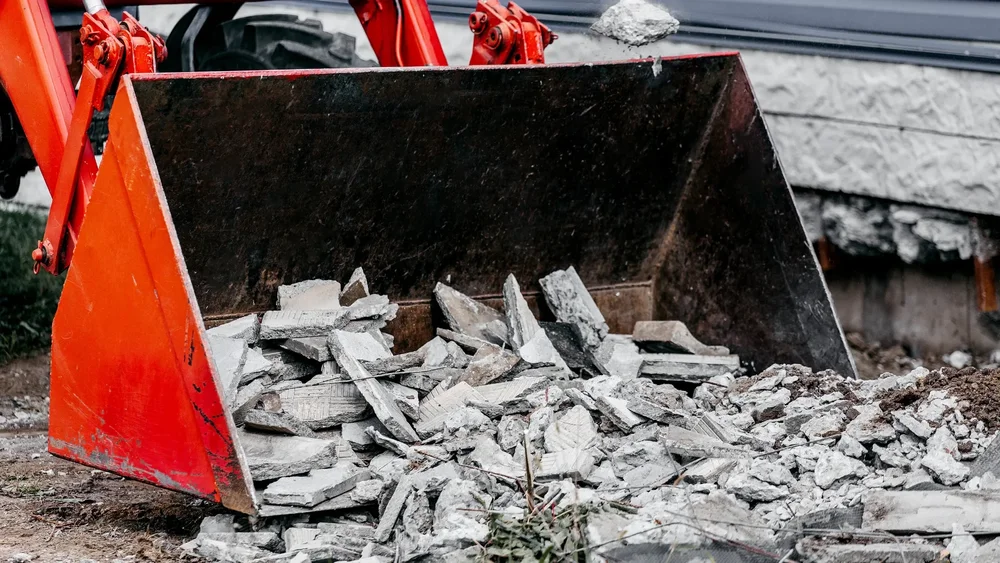
Existing Concrete Removal
Old concrete often needs to be removed before a new surface can be prepared.
We can assess existing driveways, patios, walkways, pads, entrances, and other concrete areas that need to be cleared. The removal plan considers adjoining concrete, walls, steps, landscaping, and access points.
The goal is to open the work area while protecting the parts of the property that are staying in place.
Excavation for New Concrete
New concrete needs enough room for the planned surface and its supporting base.
We excavate for concrete areas such as:
- Driveways
- Patios
- Walkways
- Garage floors
- Equipment pads
- Steps and entrance areas
- Concrete slab extensions
The required depth can vary. Soil conditions, existing grades, drainage, the planned concrete thickness, and the expected use all matter.
We review these factors before confirming the excavation scope.
Subgrade Preparation
The exposed ground forms the foundation for the next stage.
After excavation, we look for soft, disturbed, or unsuitable areas. The subgrade may need additional shaping or preparation before granular material and forms are installed.
A level excavation is not always enough. The surface also needs to work with the planned grades and surrounding property.
Granular Base Preparation
Concrete usually requires a stable base below the slab.
When included in the project scope, we can place and prepare granular material beneath the planned concrete area. The right material and depth depend on the site and the project design.
Base preparation can help create a more consistent surface for forming and concrete placement.
Grading and Drainage Preparation
Excavation changes the elevation of a property.
We consider how the proposed concrete area meets buildings, garage thresholds, sidewalks, landscaping, and existing surfaces. We also look at how water may move across the site.
The finished excavation should fit the surrounding grades. It should not create a new low point beside a building or at an entrance.
Drainage solutions depend on the site. We explain the conditions we see so you can make an informed decision about the next step.
Access and Material Removal
Access can affect every excavation project.
The work area may be behind a fence, beside a home, or surrounded by finished surfaces. The route for removing old concrete and soil also needs to be considered.
We review the available access before work begins. Limited space, narrow side yards, retaining walls, and long material-hauling distances can affect the work sequence.
A clear access plan helps reduce surprises during removal and excavation.
Project types
Concrete Excavation for Different Project Types
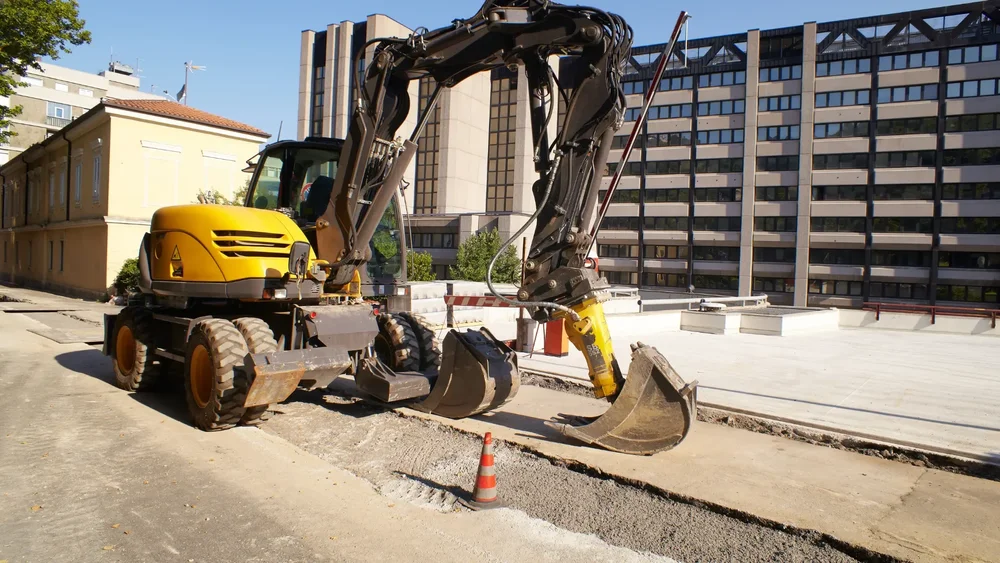
Driveway Excavation
A driveway replacement often begins with the removal of the old surface. The excavation then needs to connect with the street entrance, garage floor, sidewalks, and surrounding grades.
Our focus is the work below the new driveway. We prepare the area for the next concrete stage.
Patio and Walkway Excavation
Patios and walkways must meet doors, steps, gardens, fences, and existing paths.
Excavation needs to account for these transitions. The finished area should have the space and grade required for the planned concrete surface.
Garage Floor Excavation
Garage floors can be affected by existing slab thickness, thresholds, walls, and interior access.
We review the conditions before removal or excavation begins. The scope can then be planned around the available working space and the intended replacement surface.
Pad Excavation
Concrete pads may support equipment, sheds, outdoor structures, or other property improvements.
The excavation must match the planned footprint. It also needs to consider the surrounding grade and the way water will move around the pad.
Process
How We Handle a Concrete Excavation Project
-
1. Review the Property
We begin by discussing what is there now and what you want to build.
We look at the existing concrete, site access, surrounding surfaces, visible grades, and any areas of concern.
-
2. Define the Excavation Area
The work limits need to be clear before removal begins.
We discuss the proposed footprint, edges that must remain, and the route for taking out old concrete and excavated material.
-
3. Remove Existing Concrete
When old concrete is present, it is broken up and removed as part of the planned scope.
The removal process depends on the surface, thickness, reinforcement, access, and nearby property features.
-
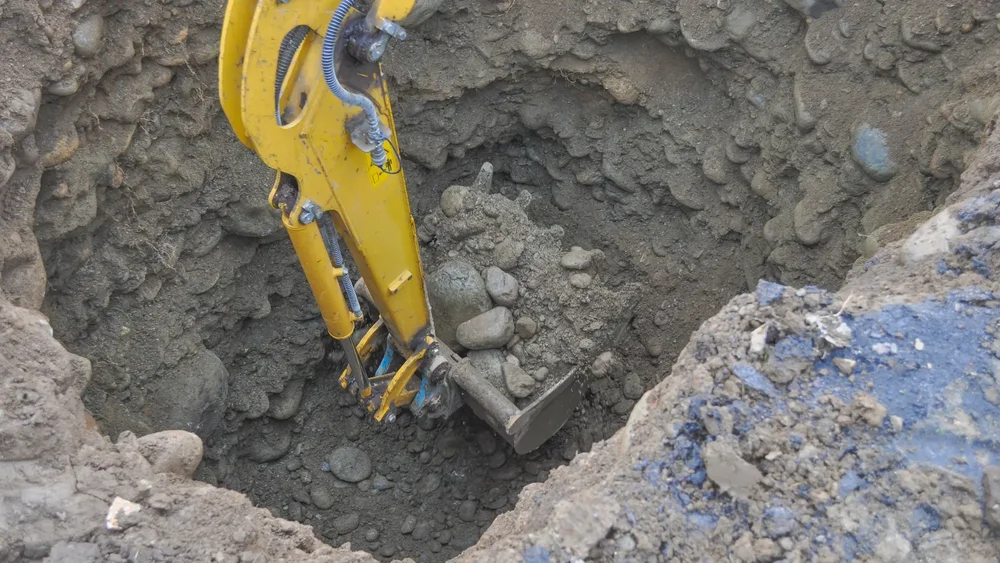
4. Excavate the Site
The area is excavated to suit the proposed concrete work.
The depth is not chosen from a generic formula. It depends on the existing conditions, planned grades, base requirements, and type of concrete project.
-
5. Prepare the Subgrade
The excavated area is reviewed and shaped for the next stage.
Soft areas, uneven sections, drainage concerns, and grade changes are discussed before base material or forms are installed.
-
6. Leave the Area Ready
The final excavation scope is reviewed with the project plan in mind.
We explain what has been completed and identify any remaining work required before concrete placement.
Scope factors
What Can Affect the Concrete Excavation Scope?
Every property is different. Several factors can change the work required.
Existing Concrete
Older concrete may be thicker than expected. It may also contain reinforcement or multiple layers from previous repairs.
Soil Conditions
The ground may include loose fill, clay, rock, buried debris, or soft areas. These conditions can affect removal and subgrade preparation.
Site Access
The distance between the work area and the street can affect how material is moved. Fences, landscaping, buildings, and narrow passages can also affect the sequence.
Proposed Grade
The new concrete needs to meet existing surfaces at the right elevations. Garage thresholds, steps, curbs, sidewalks, and building entrances all need to be considered.
Drainage
Water should be considered before the excavation is complete. A change in grade can affect nearby areas of the property.
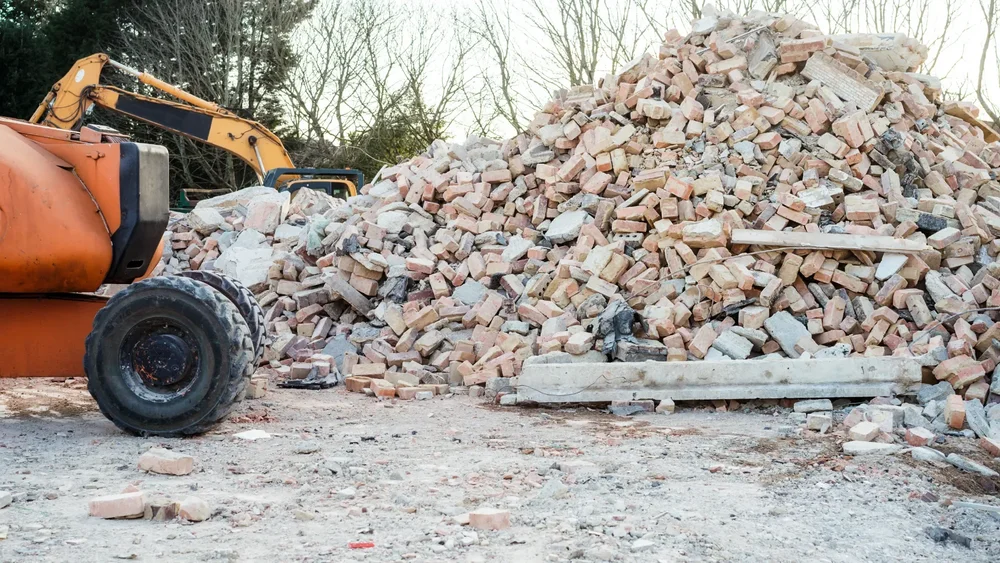
Removal Volume
The amount of concrete and soil being removed affects loading, hauling, and disposal planning.
These details are why an on-site review is important.
Family business
Hire Our Family Business for Concrete Excavation Services
Niagara North Contracting has proudly served the region since 1987.
We are a family business. CEO Jerrad Taylor took over the company from his father and continues the family business today.
Our concrete excavation contractors serve:
- Grimsby
- Beamsville
- Smithville
- Stoney Creek
- Vineland
- Jordan
- St. Catharines
- Niagara Falls
- Hamilton
If your project starts with removing old concrete or preparing the ground for a new slab, Niagara North Contracting can review the excavation requirements with you.
Before Excavation Begins
Before digging, confirm any utility locate requirements and municipal approvals that may apply to your property.
Requirements can vary based on the location and type of work. Property owners should confirm current requirements before excavation starts.
It also helps to share your project plans, identify access concerns, and point out any existing drainage issues during the initial discussion.
The more we know about the site, the easier it is to define a clear excavation scope.
FAQ
Frequently Asked Questions About Concrete Excavation Services
What are concrete excavation services?
Concrete excavation services prepare the ground for concrete construction.
The work may include removing old concrete, excavating soil, preparing the subgrade, placing granular base material, shaping grades, and clearing the area for the next stage.
Do you remove old concrete before excavating?
Often, yes.
If an existing slab occupies the work area, it may need to be broken up and removed first. The removal plan depends on the concrete, access, surrounding surfaces, and the condition of the area below it.
How deep will the excavation be?
There is no single depth for every concrete project.
The required depth depends on the planned surface, existing grade, soil conditions, drainage, base requirements, and the way the finished area will be used.
We review the site before confirming the excavation scope.
Can excavation help with a drainage problem?
It can help address some grade-related drainage concerns.
The cause of the water problem needs to be reviewed first. Settlement, surrounding elevations, building entrances, garage thresholds, and existing drainage patterns may all be relevant.
We explain what we observe before recommending the next step.
Can you excavate in a narrow or difficult-to-access area?
Access can be reviewed during the site visit.
Fences, side yards, retaining walls, buildings, and finished landscaping can affect the removal and excavation process. Limited access may change the sequence or scope of the work.
Can I hire you for excavation only?
That depends on the project requirements.
Tell us whether you need old concrete removed, the area excavated, the subgrade prepared, or the full preparation completed before concrete placement. We will explain what is included in the proposed scope.
What should a concrete excavation quote include?
A clear quote should explain the planned removal, excavation, subgrade work, base preparation, grading, material handling, and cleanup.
If site conditions could change the scope, those conditions should be discussed before work begins.
Ready to Prepare the Ground?
Do not place new concrete over an unclear base.
Quote
Request a Concrete Excavation Quote Today
Talk to Niagara North Contracting about your concrete excavation project. Tell us what is there now, what you plan to build, and what access is available.
We will review the site and discuss the excavation work required.
- Niagara North Contracting
- 905-971-5397
- NNCsales@outlook.com
Podcast
Concrete Excavation Insights
Listen to Jerrad Taylor on Concrete It — why the pour only lasts as long as the excavation beneath it.
Concrete It with Jerrad Taylor
Why Precision Excavation Dictates the Lifespan of Every Concrete Pour
Sub-grade, Granular A compaction, drainage slopes, and utility locates — the work under every lasting slab.
Definition
What is Concrete Excavation Services
Concrete excavation services are professional excavation services used to remove existing concrete slabs, driveways, patios, foundations, walkways, and other concrete structures from a property. The work typically involves breaking, cutting, lifting, excavating, loading, and hauling away concrete and underlying materials when required. Concrete excavation may be needed for demolition, site preparation, drainage improvements, foundation work, utility installation, driveway replacement, or new construction. Professional concrete contractors, such as Niagara North Contracting, provide concrete excavation services in accordance with applicable local building requirements and city codes.